
In February 2011, the CEDR Foundation launched its “Inquiry into Public Inquiries” Project. The project’s aim has been to investigate and review the methodology that has been used in previous Public Inquiries in order to produce recommendations for change.
As the project is now entering its final stages CEDR’s CEO, Dr Karl Mackie CBE, has written a consultation document “Public Inquiries – Proposals for a Design Rethink” which details the project and the recommendations which he and CEDR propose.
"Public Inquiries – Proposals for a Design Rethink" is available here to download.
Why is CEDR investigating Public Inquiries?
In recent years, Public Inquiries have become highly visible in the public consciousness. In the last 18 months alone, there have been the reports of the Leveson Inquiry, the Inquiry into the death of Baha Mousa, the report of the Hillsborough Panel and most recently the report of the Staffordshire NHS Trust Public Inquiry, chaired by Robert Francis QC.
Substantial amounts of money, resources and time are poured into Public Inquiries. They provide a significant benefit in both being able to find out why a particular event happened and provide recourse to prevent the event from happening again. However, it may be that there is more room for collaborative problem solving and a fresh look at design within the Inquiry process, to enhance its efficacy both as a process and in terms of outcomes delivered.
Whilst the Inquiry process is particularly designed to engage those affected by the incident, it is often criticised by participants whose needs have not been met due to the “high walled” or restricted terms of reference. There are many other facets of inquiry design which are rarely reviewed in a systematic, rather than ad hoc, way.
What has CEDR done to investigate Public Inquiries?
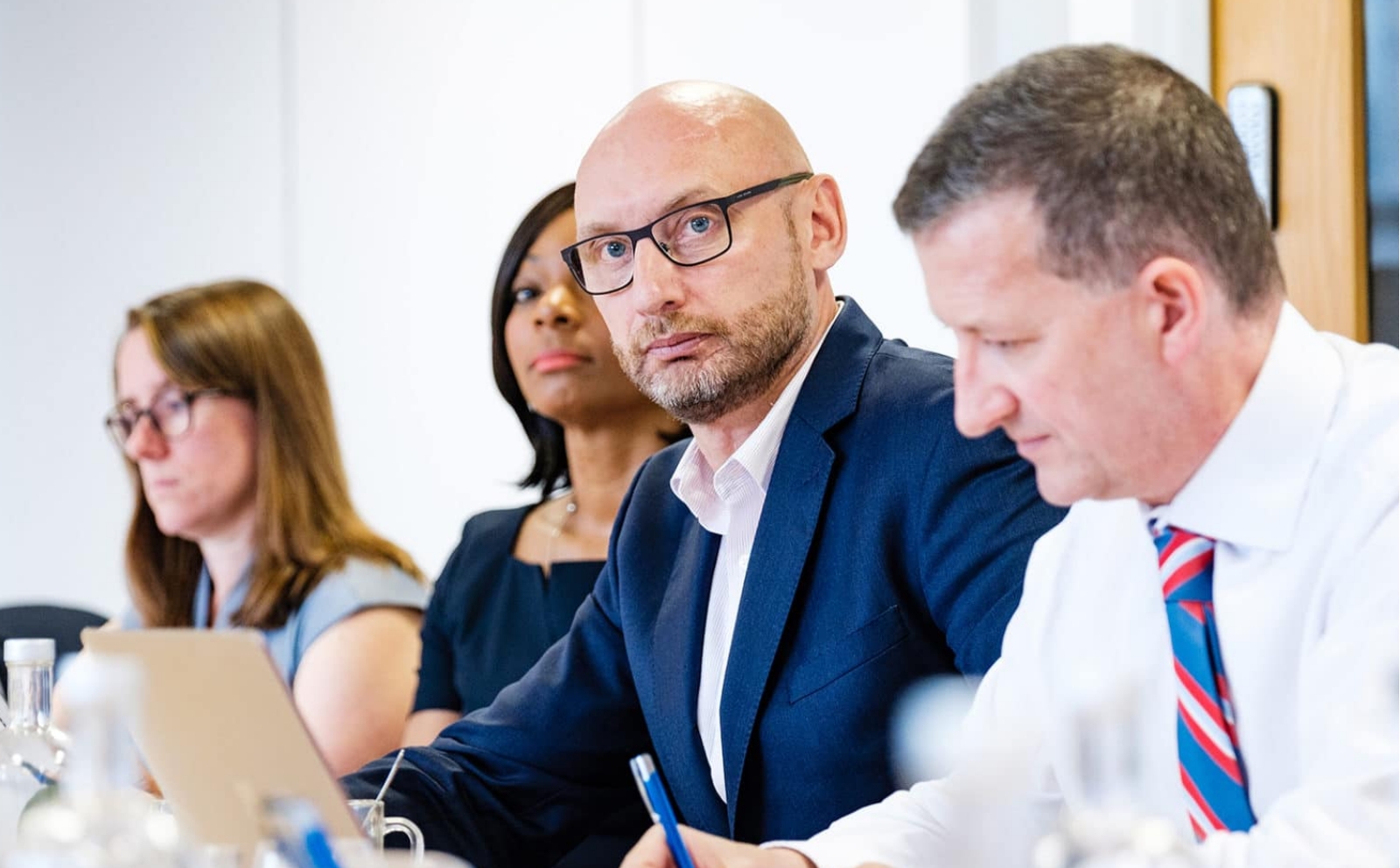
CEDR started its investigation into Public Inquiries by convening a panel of experts in the field. Under the joint chair of Karl Mackie CBE and Lord Woolf, the panel has considered and discussed the nature of Public Inquiries and potential methods of reform. Other members of the panel include Lord Justice Carnwath, Irving Yass, Baroness Kennedy of the Shaws QC, David Pearson CB and Bernard Quoroll
Additionally, CEDR surveyed 2000 members of the Public in March 2012 about their opinions on Public Inquiries. Of the 2,000 citizens polled, less than a third said that they had confidence in the current system of Public Inquiries. Over two thirds of respondents wanted increased involvement from members of the general public, while over half of those surveyed thought that politicians had too much influence. The results of the survey provide striking evidence of a widespread lack of public confidence in the current Public Inquiries methodology.
What is CEDR doing now for Public Inquiries?
CEDR has now published its consultation document into Public Inquiries. CEDR is chairing a Symposium on Public Inquiries to gain further feedback from academic, legal, governmental and other experts about the recommendations with an aim of finalising the recommendations so that a final report can be presented to Government in mid 2013.
CEDR has 11 recommendations for improving Public Inquiries as a process. These recommendations are:
Before the Inquiry Process
1) Enhancing the Capabilities of Chairs and Panels
This recommendation proposes that Judges should be given increased training; the Cabinet Office should produce a Guide in Best Practice for Public Inquiry chairs and that there should be a programme for training chairs once they are appointed.
2) Aligning Inquiry Purposes with Intelligent Methodology
A recommendation to improve the design of the Inquiry including taking on board recommendations from process experts
3) Managing Potential Terms of Reference
A recomendation of an introduction of a one-month draft terms of reference to allow interested parties to debate what the terms of reference should be before they are finalised.
During the Inquiry Process
4) Separate Investigation from Recommendation
A recommendation to separate the Inquiry into two distinct phases- a first phase which is investigative and a second phase which is about recommendations.
5) Beyond the Inquisitorial System
A recommendation to introduce different processes learnt from CEDR’s experiences in arbitration, mediation and alternative dispute resolution into the Public Inquiry process as methodologies.
6) Increase the recognition and use of parallel track processes
Increasing the number of track processes so that inquiries can run in non-sequential format, including options for parallel track processes.
7) Bringing the Public into the Public Inquiry System
A recommendation to create a Citizens’ Panel who would feed back to the Inquiry’s Chairs and Panels to ensure that things are better prepared.
8) Setting Parameters: The ‘First Pass’ Inquiry Model.
A recommendation to introduce a ‘First Pass’ model whereby there would be a presentation of facts after 20% of the time has elapsed
After the Public Inquiry
9) Implementation Action Plan
A recommendation for the introduction of an Implementation Action Plan, whereby relevant parties would have to feedback how they had implemented the points made by the Public Inquiry within 12 months.
Cross Process Recommendations
10) Building on Know-How through the establishment of an Independent Inquiries Office.
This recommendation would bring in an Independent Inquiries Office to focus on Public Inquiries, building knowledge and public involvement.
11) Enhancing Public Awareness of the Inquiry Process
A recommendation to increase public knowledge, awareness and understanding of the Public Inquiry process through increased academic and other use of Public Inquiries.
For further information about the project, or if you would like to be involved, please contact Frederick Way at fway@cedr.com
Mediator Skills Training - Fast Track – 5 June 2013
Certificate in Advanced Negotiation - Module 1/3 – 25 July 2013
Mediator Skills Training - International – 19 August 2013
Certificate in Advanced Negotiation - Module 1/3 – 12 September 2013