





Embedding a True Speak Up Culture and Psychological Safety
We work with organisations to build genuine speak-up cultures and psychological safety, moving beyond policy into practice and from compliance into culture.
How CEDR Helps

Understand


Build

Sustain
Culture Diagnosis and Policy Review
-
Assess the gap between your stated values and how employees at every level actually experience the organisation
-
Identify where speak-up is failing and the specific barriers preventing people from coming forward
-
Uncover the underlying dynamics that engagement surveys alone will not reveal
-
Review existing speak-up and whistleblowing frameworks against regulatory best practice and real employee experience
-
Recommend changes that make policies easier to use, more likely to be trusted, and legally sound
Manager Capability and Process Design
-
Equip managers with the dialogue skills and emotional intelligence to respond constructively when concerns are raised
-
Build confidence through real-scenario practice, addressing the moment where psychological safety is most often built or broken
-
Redesign engagement and escalation routes around the employee experience, not organisational convenience
-
Create genuine options for people to raise concerns on their own terms, with appropriate confidentiality protections
-
Improve signposting so people know what is available and feel confident using it
Facilitated Dialogue and Ongoing Partnership
-
Design and facilitate structured, impartial dialogues for issues where tension has already built, from restructuring to values conflicts to social and political flashpoints
-
Bring experienced third party facilitation whose independence allows people to engage honestly, free from hierarchy
-
Work with you over time as the culture develops, new pressures emerge, and priorities shift
-
Provide regular reporting on how speak-up is functioning and identify emerging challenges before they escalate
-
Ensure speak-up culture becomes embedded in how the organisation operates rather than treated as a one-off programme
Trusted by global brands and industry regulators















Our Impact
Here are examples of how we have worked with clients to tackle entrenched issues and embed a culture of positive conflict engagement.
Barclays - Empowering Employee Relations
.svg)
Challenge
Excessive formal procedures being triggered for workplace issues leading to reduction in employee engagement and satisfaction and high workload and cost-burden for HR & ER teams.
.svg)
Solution
CEDR upskilled the London-based Employee Relations function in employment and workplace mediation skills. Strong focus on early engagement, active listening, managing emotions and building rapport.
.svg)
Result
Reduction in use of formal procedures and improved confidence amongst ER population to engage with challenging issues early.
Sanofi - Reducing Formal HR Cases
Challenge
High volume of workplace issues being escalated to investigation or grievances, damaging employee morale, engagement and performance as well as being costly to manage.

Solution
CEDR helped design and build an internal Ombuds Service to support early engagement with issues and triage to appropriate resolution pathways. This included bespoke training for new Ombuds professionals.
Result
Significant reduction in formal HR cases, with improved employee engagement and a stronger workplace culture.
Financial Services Client - Comprehensive Workplace Conflict Audit & Strategy
Challenge
The organisation faced widespread and deep issues with conflict, leading to a culture of avoidance and disengagement.

Solution
CEDR conducted a comprehensive audit and review of conflict sources, culture, processes and outcomes. This led to a detailed set of recommendations from training programmes to enhanced dispute resolution models.
Result
Systematic reduction in grievances as well as a more open culture of conflict engagement leading to improved employee satisfaction scores.
Nokia - Accredited Global Senior Leaders
Challenge
Company desire to increase the use of mediation skills and processes in the business to better engage with conflict.
Challenge
Accredited six of the most senior HR & ER professionals, including the Chief People Officer as CEDR mediators to improve understanding and use of mediation within the business.
Challenge
Strong foundation for the development of a mediation strategy within the business.
Meet the Experts Behind the Strategy
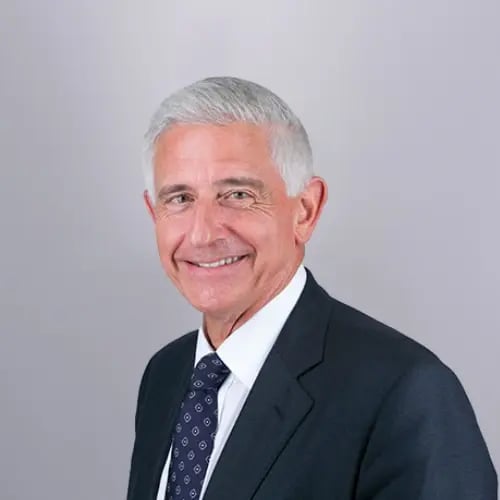
Real-world experience, strategic mindset and human-first delivery. CEDR’s Business Strategy consultants are more than trainers; they’re practicing mediators, trusted advisors and culture changers.
Every member of our team works at the frontline of conflict resolution, combining decades of hands-on experience with backgrounds in law, psychology, negotiation and organisational change. They’ve advised FTSE 100 leaders, helped rebuild failing cultures, and transformed grievance-heavy workplaces into collaborative, high-performing environments.








What sets them apart?
- Practitioner-first
Our consultants don’t just teach strategy, they mediate, coach, and consult every week. - Cross-disciplinary expertise
Expect the perfect balance of empathy and challenge, drawn from law, HR, psychology and negotiation fields. - Strategic depth
We go beyond surface-level fixes. Our team helps you build a long-term conflict resolution strategy that supports people, performance and culture. - Boardroom credibility
Whether guiding HR or working directly with SLTs, we speak the language of change at every level.
Ready to Strengthen Psychological Safety and Speak Up Culture?
Speak to a CEDR specialist about tailored consultancy and support.