Negotiation Skills Training for Teams and Organisations

CEDR's negotiation training transfers life-saving skills from extreme conflict environments to the business world. Our trainers, including former UK and International hostage and crisis negotiators, teach professionals how to remain composed, think strategically, and achieve better outcomes under pressure.

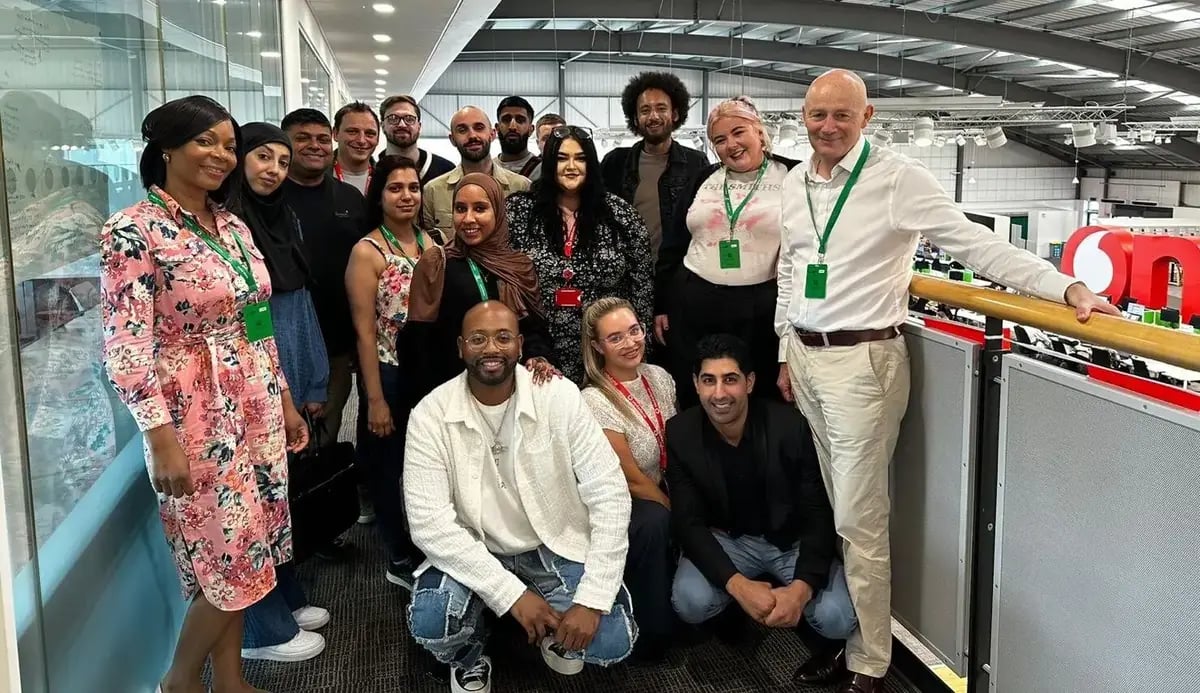
Vodafone Training 1 Cropped-1

Who Do We Support with Negotiation Training?

CEDR's training is for all teams across all sectors, who face high-stakes, complex and emotionally challenging conversations and negotiations.


We work with clients on a range of interventions from individual coaching for senior professionals through to tailored and experiential learning programmes for whole teams and departments. 


"It is 3am, it's cold and raining. You have been called to the top of a roof to attend a crisis situation. In that moment, under extreme stress, can you remember the skills you have been taught and can you apply them?"

— Philip Williams, Former UK Hostage & Crisis Negotiator & Head of Covert Policing, Metropolitan Police

This philosophy underpins our training methodology: combining skills development with the confidence to deploy them consistently in real-world, high-pressure business scenarios.


Employee & Industrial Relations

  • Managing complex collective bargaining with unions and internal stakeholders
  • Working with to preserve relationships in emotionally intense negotiations
  • Balancing multi-stakeholder needs and interests
  • Breaking deadlock when negotiations stall or breakdown and devising creative solutions
  • Building and maintaining trust in an adversarial environment 

Commercial, Sales & Client-Facing Teams

  • Handling difficult conversations, deliver bad news and prevent escalation
  • Breaking deadlock and develop collaborative, commercially sensitive solutions 
  • Influencing and persuading when there is a power/authority imbalance
  • Developing cross-team and cross-cultural negotiation skills
  • Mapping and Managing internal and external stakeholder needs

General Counsel & Legal Directors

  • Managing relationships with clients and counter-parts in litigation 
  • Navigating power dynamics amongst executive teams
  • Mitigating and resolving complex disputes
  • Advising boards on high-stakes negotiation strategy
  • Preventing costly disputes through early resolution

Procurement & Sourcing

  • Negotiating when suppliers hold dominant market positions
  • Building effective and responsive negotiation strategies
  • Managing multi-party negotiations with conflict internal and external stakeholder priorities
  • Developing skills to protect long-term commercial relationships
  • Creating added value through deep exploration of needs and drivers

Project & Programme Managers

  • Negotiating scope, budget and timelines across competing stakeholders
  • Building capability to resolve conflicts before they escalate and affect delivery
  • Developing influence capabilities for decisions requiring buy-in from stakeholders outside direct control
  • Managing difficult personalities and adapting approaches 
  • Saying no and pushing back on operationally and commercially unrealistic expectations 

What You Will Learn and Master

CEDR's negotiation training is rooted around a core set of competencies and skills. Focussing on 'learning by doing', participants spend most of their time applying skills and techniques in commercially realistic role-plays and scenarios.
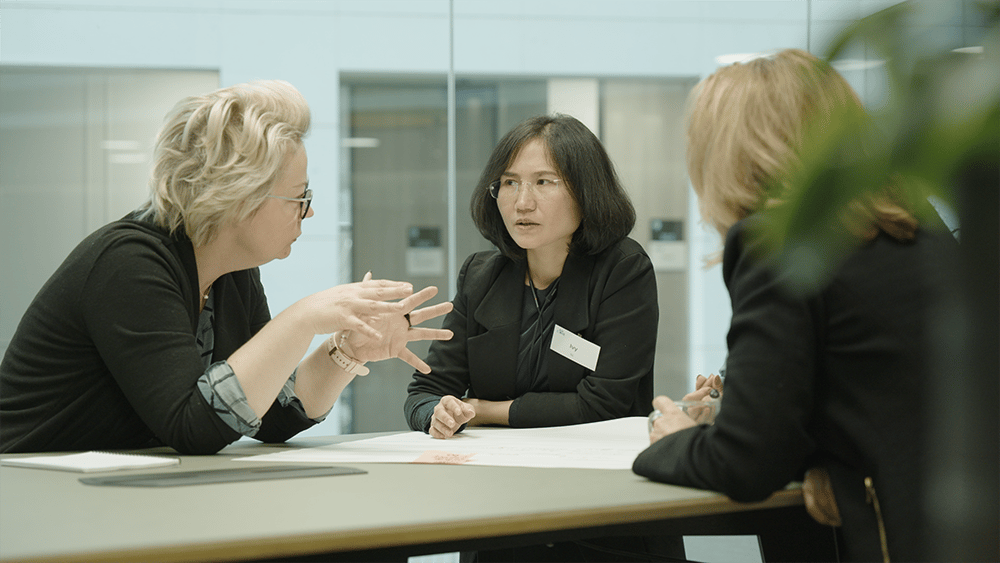
CEDR-3-Mediation-Professionals-Debate-at-a-tall-desk

Communication, Influence & Persuasion

  • Active Listening Skills Hear what's truly being said, uncover interests beneath stated positions, build trust, and gather insights that shapes your negotiation strategy.
  • Negotiation Frameworks & Preparation Apply CEDR's proven framework to plan and advance high-stakes negotiations - including BATNA/WATNA analysis, distinguishing positions from interests, and maintaining progress when talks become unpredictable.
  • Assertive Bargaining & Reality Testing Make firm offers without triggering breakdown, challenge unrealistic demands constructively, and help counterparts reach more pragmatic positions through skilled questioning and reframing.
  • Influence & Persuasion Move counterparts toward agreement without coercion, navigate power imbalances where you hold less formal authority, and increase the likelihood your proposals are accepted. 
CEDR-Trainer--in-front-of-sitting-delegates

Emotional Mastery & Composure

  • Emotional Intelligence & Self-Awareness Recognise your triggers and default responses under pressure, manage stress in real time, and maintain strategic composure when negotiations become hostile or charged.
  • Managing Emotions in Negotiation Understand why negotiations escalate emotionally, recognise fight-flight-freeze responses in yourself and others, and engage effectively across the full spectrum of emotional behaviours.
  • De-escalation Techniques Apply tools drawn from crisis and hostage negotiation to defuse hostile situations, respond to defensive behaviours, and remain in control when facing aggression or deliberate pressure tactics.
  • Strategic Empathy Build genuine rapport with adversarial counterparts without over-conceding, understand the motivations driving the other side's position, and maintain professional boundaries while keeping the relationship intact.


CEDR-GHRF-Day3-LeadershipSummit-Trainer-addresses-class (1)

Problem-Solving, Styles & Adaptability

  • High-Stakes & Deadlocked Negotiations Break entrenched positions by reframing problems, generate options that meet both sides' underlying interests, and find collaborative solutions when standard approaches have run out.
  • Conflict & Negotiation Styles Understand your default style, recognise others' preferences, and develop the ability to shift approach strategically - moving from instinct to deliberate strategy.
  • Cultural & Cross-Stakeholder Negotiation Negotiate across cultural differences and asymmetrical power relationships, manage the influence of stakeholders not at the table, and adapt your approach across global or multi-party environments.

Our People - Practitioners. Not Lecturers.

Every CEDR trainer is a practising expert who continues to deploy the skills they teach. Our commercial negotiation faculty includes former hostage negotiators, industrial relations specialists, and commercial mediators, bringing a cross-disciplinary depth unmatched in the training industry.

Philip Williams Profile Photo
Gillian Caroe Profile Photo
Chula Rupasinha Profile Photo
Felicity Steadman Profile Photo
Damian OConnell Profile Photo
Katey Martin Profile Photo
Malcolm Currie Profile Photo
Tracey Fox Profile Photo
Andy Grossman Profile Photo

CEDR's Negotiation Trainers

99% of attendees rate the faculty's teaching style as excellent.

The difference between CEDR training and other programmes comes down to one principle: our trainers teach what they practice every day. As the most experienced body of mediation trainers globally, CEDR has refined adult learning techniques over 35 years to ensure engaging, practical training throughout.

Every member of CEDR's training faculty maintains an active professional practice. They're not teaching from outdated case studies or textbook theories - they're sharing techniques they used last week, challenges they navigated last month, and emerging trends they're seeing right now.

Our Impact

From trade union negotiation preparation to global sales teams, CEDR's negotiation training delivers measurable results across industries and functions.

British Airways - Industrial Relations Engagement

Challenge

Challenge

The team had a series of upcoming critical negotiations with trade union representatives and wanted to ensure they were properly prepared and upskilled.

map-sharp-thin-full 1

Approach

CEDR trained a team of 15 senior managers, focussing on building and maintaining rapport under adversarial conditions, preparing effecitvely for high-stakes talks and developing the skills to deliver difficult messages without triggering conflict. 

handshake-sharp-thin-full 1

Outcome

"Great course. Highly interactive and great skills to take away. Trainers were knowledgeable, approachable and non-judgmental." — Connor Price, Team Leader, British Airways

Siemens Mobility - Managing Complex Stakeholder Needs

Challenge

Challenge

Internal product teams are regularly required to manage and balance complex and competing internal stakeholder needs in the delivery of key services.

map-sharp-thin-full 1

Approach

CEDR delivered training on the practical skills required to gather and manage complex stakeholder needs, analyse and prioritise competing demands, and present them persuasively to the business. 

handshake-sharp-thin-full 1

Outcome

"Provided real world context for the theory and got the team to apply and practice it. Got people thinking laterally and creatively." — Simon Rennie, Head of Digital, Siemens

Amadeus - Global Sales Team Capability Building

Challenge

Challenge

Global business deals present a range of challenges in securing sustainable and mutually beneficial partnerships.

map-sharp-thin-full 1

Approach

Equipped the senior global sales team, including SVP Global Accounts and Director of Airline Distribution  with the skills to manage and respond to emotion, break deadlocked commercial negotiations, and devise collaborative solutions. Particular focus on negotiating with different cultures while preserving and strengthening long-term relationships.

handshake-sharp-thin-full 1

Outcome

Enhanced confidence in tackling challenging situations and negotiations, particularly in a cross-border context.

Trusted by Global Brands

Arrowhead circle-1
"My experience with CEDR was transformative. The facilitators were highly experienced and sets a high standard for professional excellence. The programme was intensive, practical and expertly delivered. It was an excellent investment in my professional development."

HMRC

"The training was extremely interesting and engaging. I learned a lot of skills that can be applied to my job and my general life. Many thanks!"

Mandy Stewart, International Lawyer, CERN

"Very pleased as ever with a bespoke training day developed and delivered for us by CEDR. Provided real world context for the theory of how to engage well with customers and other functions and then got the team to apply and practice it. Got people thinking laterally and creatively and gave us some valuable tools to use to work effectively with colleagues and customers alike."

Simon Rennie, Head of Digital (Rolling Stock), Siemens

"This training allowed me understand my own style of dealing with conflicts and therefore being capable to bring the best of myself to help people around me."

Christine, Trouve-Mayet, Culture Lead - Digital transformation, Sanofi

“It is a transformational experience from being a person who hears, responds and can be there to a more open personality, someone who can listen, detangle, guide and support ! It shall support personal and professional growth! Suzan Ismail, Eurasia RD Marketing, Sanofi

Suzan Ismail, Eurasia RD Marketing, Sanofi

"Exceptional delivery. A detailed, knowledgeable course offering expertise from subject matter experts."

Lucy Burton, Gist

"Great course! Great trainers who were approachable, knowledgeable and unjudgmental!

Connor Price, British Airways

How We Work with You

1

Training & Learning Needs Analysis

We work with you to map out and understand: drivers for change in the business; current skillsets and past training, desired outcomes and capabilities and types of challenges and situations encountered by the teams.

2

Context-Specific Programme Design

Every programme is built around your organisation's actual challenges. Bespoke role-plays use your industry and team issues and scenarios. Learning modules and pathways are developed to ensure maximum relevance and impact.

3

Experiential and Intense Learning by Doing

Not lecturing on theory. Participants spend the majority of each session in structured, immersive and challenging role-play designed to reflect the actual pressure of their real-world negotiations. Skills are embedded through practice, not passive instruction.

4

Live Coaching and Feedback

A strict and low trainer-to-participant ratio ensures every individual receives direct, one-to-one feedback and coaching. This also ensures the training remains personal and intense as well as allowing for group-wide learning.

5

On-Going Support

We offer a range of support to ensure sustained impact. This includes individual and group coaching, skills refreshers, negotiation deal clinics and advanced training. Each pathway is unique and based around what your people need. 

Throughout your time with CEDR, you’ll have a dedicated Programme Manager who oversees every aspect of your training, ensuring it runs smoothly and that you and your stakeholders are fully supported at every stage.

Frequently Asked Questions

What is commercial negotiation skills training and who is it for?

Commercial negotiation skills training equips professionals with the techniques and frameworks needed to achieve better outcomes in high-stakes negotiations. At CEDR, this covers procurement teams, employee and industrial relations functions, senior sales and client-facing teams, legal counsel, and project managers. The skills — active listening, emotional management, influence, and structured preparation — are consistent across these contexts; the application is tailored to each team's reality.

How does CEDR's negotiation training differ from standard courses?

CEDR's trainers are practitioners, not lecturers — including the former Director of the UK Hostage and Crisis Negotiation Programme and a former Metropolitan Police crisis negotiator with 32 years' service. Every programme is built around your organisation's specific challenges, not delivered off the shelf. A strict 1:6 trainer-to-participant ratio ensures every individual receives direct, one-to-one coaching throughout. 

How do hostage and crisis negotiation techniques apply to business negotiations?

The skills that resolve life-or-death standoffs — active listening, building rapport under pressure, managing emotion, uncovering hidden interests, and navigating deadlock — are precisely the skills that determine outcomes in complex commercial negotiations. CEDR's trainers have deployed these techniques across six continents and now apply them directly to procurement, sales, industrial relations, and client-facing contexts. The stakes differ; the human dynamics do not. 

How long does a negotiation training programme take?

CEDR recommends a minimum of three days to embed sustainable behavioural change across the full range of negotiation skills. Shorter, focused interventions are available for teams with specific needs — such as a targeted module on de-escalation or BATNA/WATNA preparation. All programmes include pre-learning preparation and ongoing coaching support following the core training. 

Can the training be tailored to our industry and specific scenarios?

Yes — this is central to how CEDR works. Role-play scenarios are designed around your team's actual negotiation challenges: your sector, your counterpart dynamics, and the conversations that most commonly go wrong. CEDR has built bespoke programmes for Anglo American, Amadeus, Deutsche Bank, and British Airways, among others — each reflecting the client's specific commercial environment. 

How many people can be trained, and can it scale across a large organisation?

CEDR's programmes are designed for cohort sizes of 12, 18, or 24 participants to enable intensive role-play and individual coaching. For larger-scale rollouts, CEDR can train internal trainers to disseminate learning across wider teams. Additionally, we can deliver targeted, modular training for cohorts over a period of time to ensure maximum reach and impact. CEDR's partnership with Sopra Steria has trained over 500 professionals across multiple functions to date. 

What is the difference between negotiation training and mediation skills training?

 Negotiation training equips individuals to represent their own interests more effectively — covering preparation, bargaining, managing impasse, and closing. Mediation skills training develops the capability to act as a neutral third party, helping others resolve disputes through structured dialogue. The skill sets are closely aligned, and many CEDR clients invest in both — building negotiation capability within commercial teams while developing internal mediators within HR or legal functions.