

Advanced Negotiation Skills Training

Negotiate with confidence. Influence without authority. Succeed under pressure.

Two days that will change how you negotiate, influence and communicate. Experiential, coached and built around two disciplines with influence without formal power at their core: hostage and crisis negotiation, and high-stakes mediation. 
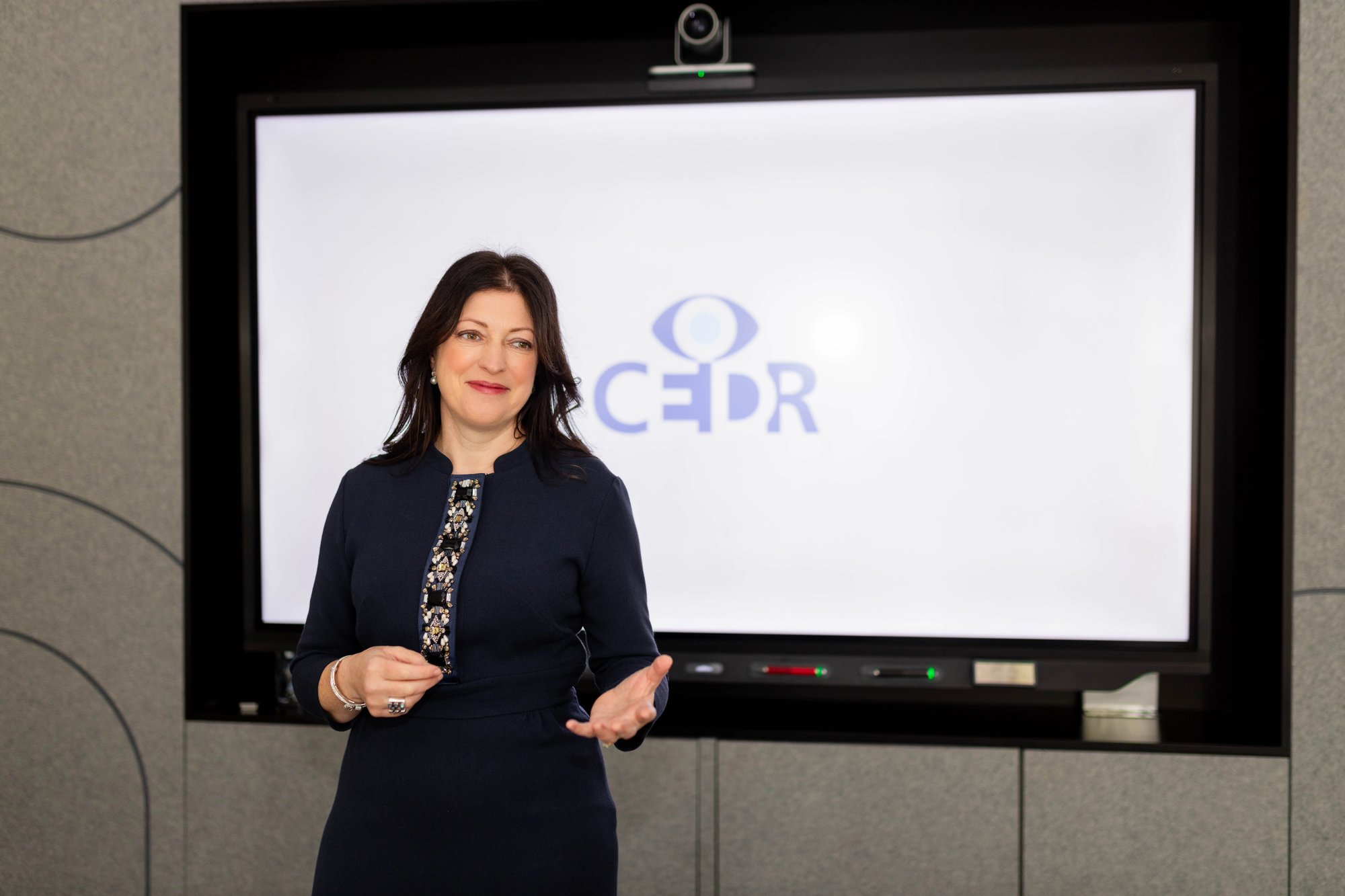
Gillian Final-2

London

  • London

04 – 05 Nov 2026

  • 04 – 05 Nov 2026
£ 3,150

The Hardest Negotiations are the Ones Where you Have no Leverage.

Most negotiation training prepares you for the conversation you planned. This programme prepares you for unexpected challenges, uncooperative people and the moments you weren't ready for.

Why This Programme Exists

"How do you bring people with you when you have no authority over them? How do you challenge someone without losing their trust? How do you deliver a message they do not want to hear in a way they can actually receive?"

These are the questions professionals ask us every day. We designed this programme by starting with those challenges and asking where in the world the most sophisticated answers to them have been developed.

The answer is two places: the negotiating room of the high value commercial mediator, and the front line of the hostage and crisis negotiator. Both operate without formal power. Both work to move people in some of the most intense, high pressure situations imaginable. Both have developed a depth of skill in influence, trust, rapport and framing that most professional settings never access.


Now, for the first time, CEDR brings these two disciplines together in a single open programme.

  • You need to influence and persuade people who have no obligation to agree - without positional power or formal authority to rely on
  • You need to build trust and rapport quickly, maintain it under pressure and recover it when things go wrong
  • You need to deliver a difficult message, bad news, a challenge or unwelcome truth in a way that is accepted, not rejected
  • You need to manage and challenge clients, colleagues and stakeholders without damaging the relationship or losing their confidence
  • You need to negotiate effectively across a range of complex, high stakes situations and get consistently better outcomes

Programme Highlights

Day One - Hostage & Crisis Negotiation

Exercises and role plays are drawn from the intense world of life-at-risk negotiations concerning terrorist kidnaps and criminal sieges. Until now, the skills developed in this world were largely unknown outside of specialist government and security circles. Access commercially transferable techniques to influence without authority, build trust and deliver difficult messages in the context of a pressurised, even hostile, environment.

This is the focus of Day 1 of the programme.

Day Two - Mediation

Annually, CEDR mediates several billion in commercial claims and has trained over 12,000 mediators across 70 countries. Our mediators work without authority over either party and sit in the middle of the world's most complex commercial disputes. Their entire capability rests on influence, framing, trust and the ability to deliver uncomfortable truths in ways that move rather than alienate.

They are masters of bringing parties with them, of challenging entrenched positions without destroying rapport, and of creating agreement where none seemed possible. This is the focus of Day 2.

The Multi-Discipline Blend

The power of this programme comes from putting these disciplines in direct conversation with each other. CEDR is the only organisation in the world offering this blended experience.

No other training provider holds practitioners from both worlds on its faculty. No other course was designed from the outset to unite these two disciplines into a single, coherent learning journey.

Two Day Programme - What to Expect and What you Will Learn

This is not a seminar. It is a controlled, coached, increasingly demanding series of experiences built around role play, live feedback and genuine pressure. You will be deliberately operating outside your comfort zone.

CEDR_icons_Global 2 1 Day One - Hostage & Crisis Negotiation
handshake-sharp-thin-full 1 Day Two - Mediation

Learning Focus No.1

Setting the Scene — Lessons from a Parallel World.

The day opens with an introduction to the unique concept behind the programme - two weeks of specialist training, distilled into one intense day. Faculty introduce themselves, the concept of the two-day journey is explained, and participants understand how the skills of hostage and crisis negotiation are structured, taught and applied. We also cover ways of working, including the trigger warning that comes with exploring this territory.

Connecting The Two Disciplines
The day opens by explaining what mediation is: a facilitated negotiation where an independent third party helps two sides reach agreement. The CEDR five-phase model is introduced as the framework for the day. Crucially, participants see how the listening, trust and influence skills from Day 1 map directly onto what mediators do and discover what makes mediation one of the most effective tools available for resolving seemingly intractable disputes.

Learning Focus No.2

First Impressions - What Happens in the First Seconds.
Based on the Warmth and Competence model used by crisis negotiators, participants explore how first contact shapes everything that follows. How are you assessed in the first moments of a conversation? What can you control? What signals competence and trustworthiness before a word of substance is exchanged? A practical, psychology-backed framework with immediate professional application.
The Nature of Conflict - Type, Patterns and What they Reveal
Not all conflict is the same. Participants explore the three core types — task, process and relationship — and how understanding which type you are dealing with can reveal a way forward that positional bargaining never would. Working with people in high stakes disputes, whether in a criminal siege or a boardroom, emotion comes with the territory. Our faculty draw on their experience in the room to distil practical principles.

Learning Focus No.3

Advanced and Deep Listening Skills.
If there is one skill that separates great negotiators from good ones, it is this. Participants learn the full spectrum of active listening from the subtle signals that show genuine attention to the techniques that shape the direction of a conversation without appearing to lead it. Paired exercises build the muscle before it is tested in higher-pressure scenarios later in the day.
Conflict Styles - Know Yourself and Read the Room
Using the Thomas-Kilmann Conflict Mode Instrument, participants assess their own default style across five modes — competing, collaborating, compromising, avoiding and accommodating and learn to read which style the other party is operating from. The session includes exercises that makes the differences viscerally clear. The goal is not to prescribe one right style but to give participants the awareness to shift strategically.

Learning Focus No.4

Building Trust - Why It Matters and How it is Engineered.

Trust is not assumed, it is built deliberately. Drawing on real scenarios from hostage negotiation, participants work through why parties withhold trust, what creates it under pressure and how to recover it when something goes wrong. The session introduces the question that sits at the heart of every high-stakes conversation: why should they trust you?

Exploration and the Creation of Value.
If listening is the perhaps surprising essence of hostage negotiation, then effective exploration is the mediator's secret weapon. Before any bargaining begins, great mediators spend significant time uncovering what is really at stake — the values, positions, interests and identity needs that sit beneath the stated position. Using a real-world employment case, participants are put in the role of the mediator and learn by doing, with faculty demonstrating and then coaching in fishbowl style.

Learning Focus No.5

Dealing with Demands and Deadlines.
When the conversation becomes hostile — when demands are made, deadlines imposed or emotion takes over, most negotiators lose their footing. This session builds the tools to hold your ground: how to respond to pressure without conceding unnecessarily, how to redirect demands without confrontation and how to manage the pace of a conversation when the other side is trying to accelerate it.
Bargaining, Offers and Breaking Deadlock.
How experienced mediation practitioners approach the bargaining phase: making proposals that land, concessions that count, and a structured toolkit for breaking deadlock without showing weakness or damaging the relationship.

Learning Focus No.6

Negotiating as a Team - The Cell Structure
Crisis negotiators never work alone. The cell structure, with a primary negotiator, a coach and a coordinator, is one of the discipline's most powerful and transferable ideas. Participants learn how teams can negotiate more effectively than individuals: how roles are allocated, how live coaching works in real time, and how the discipline of the structure prevents the individual errors that solo negotiators are prone to.
Pulling it All Together - Transferability and Reflection
CEDR believes there is real value in putting participants on a common footing, removed from their everyday professional lives and given the opportunity to look at conflict, disputes and negotiation from a fresh perspective. After two immersive days, this session slows the pace deliberately. Participants reflect on what has been learned and its applicability to their work and lives, and are supported to make the translation from programme to practice concrete.

Training Day Capstone

Live Crisis Negotiation Simulation

The day culminates in a fully immersive crisis negotiation simulation. Working in teams using the cell structure just learned, participants negotiate by telephone with role players drawn from real-world scenarios - terrorist kidnap, criminal siege, life-at-risk incidents. Each team rotates through the lead role. Trainers coach live throughout, and a structured debrief draws out the transferable lessons. This is the world of hostage negotiation unforgettably opened to you.

The Full Negotiation - A Live Mediated Scenario

The day concludes with a full, coached negotiation exercise drawing on everything from both days. Participants take on roles in a complex, multi-party mediation - exploring, bargaining and working toward agreement while unexpected developments are introduced to test adaptability. Faculty coach throughout, with structured debriefs between phases. Every participant leaves with a personal action plan: what they will do differently on Monday morning.

Learning Focus No.1
Setting the Scene — Lessons from a Parallel World.

The day opens with an introduction to the unique concept behind the programme - two weeks of specialist training, distilled into one intense day. Faculty introduce themselves, the concept of the two-day journey is explained, and participants understand how the skills of hostage and crisis negotiation are structured, taught and applied. We also cover ways of working, including the trigger warning that comes with exploring this territory.

Connecting The Two Disciplines
The day opens by explaining what mediation is: a facilitated negotiation where an independent third party helps two sides reach agreement. The CEDR five-phase model is introduced as the framework for the day. Crucially, participants see how the listening, trust and influence skills from Day 1 map directly onto what mediators do and discover what makes mediation one of the most effective tools available for resolving seemingly intractable disputes.
Learning Focus No.2
First Impressions - What Happens in the First Seconds.
Based on the Warmth and Competence model used by crisis negotiators, participants explore how first contact shapes everything that follows. How are you assessed in the first moments of a conversation? What can you control? What signals competence and trustworthiness before a word of substance is exchanged? A practical, psychology-backed framework with immediate professional application.
The Nature of Conflict - Type, Patterns and What they Reveal
Not all conflict is the same. Participants explore the three core types — task, process and relationship — and how understanding which type you are dealing with can reveal a way forward that positional bargaining never would. Working with people in high stakes disputes, whether in a criminal siege or a boardroom, emotion comes with the territory. Our faculty draw on their experience in the room to distil practical principles.
Learning Focus No.3
Advanced and Deep Listening Skills.
If there is one skill that separates great negotiators from good ones, it is this. Participants learn the full spectrum of active listening from the subtle signals that show genuine attention to the techniques that shape the direction of a conversation without appearing to lead it. Paired exercises build the muscle before it is tested in higher-pressure scenarios later in the day.
Conflict Styles - Know Yourself and Read the Room
Using the Thomas-Kilmann Conflict Mode Instrument, participants assess their own default style across five modes — competing, collaborating, compromising, avoiding and accommodating and learn to read which style the other party is operating from. The session includes exercises that makes the differences viscerally clear. The goal is not to prescribe one right style but to give participants the awareness to shift strategically.
Learning Focus No.4
Building Trust - Why It Matters and How it is Engineered.

Trust is not assumed, it is built deliberately. Drawing on real scenarios from hostage negotiation, participants work through why parties withhold trust, what creates it under pressure and how to recover it when something goes wrong. The session introduces the question that sits at the heart of every high-stakes conversation: why should they trust you?

Exploration and the Creation of Value.
If listening is the perhaps surprising essence of hostage negotiation, then effective exploration is the mediator's secret weapon. Before any bargaining begins, great mediators spend significant time uncovering what is really at stake — the values, positions, interests and identity needs that sit beneath the stated position. Using a real-world employment case, participants are put in the role of the mediator and learn by doing, with faculty demonstrating and then coaching in fishbowl style.
Learning Focus No.5
Dealing with Demands and Deadlines.
When the conversation becomes hostile — when demands are made, deadlines imposed or emotion takes over, most negotiators lose their footing. This session builds the tools to hold your ground: how to respond to pressure without conceding unnecessarily, how to redirect demands without confrontation and how to manage the pace of a conversation when the other side is trying to accelerate it.
Bargaining, Offers and Breaking Deadlock.
How experienced mediation practitioners approach the bargaining phase: making proposals that land, concessions that count, and a structured toolkit for breaking deadlock without showing weakness or damaging the relationship.
Learning Focus No.6
Negotiating as a Team - The Cell Structure
Crisis negotiators never work alone. The cell structure, with a primary negotiator, a coach and a coordinator, is one of the discipline's most powerful and transferable ideas. Participants learn how teams can negotiate more effectively than individuals: how roles are allocated, how live coaching works in real time, and how the discipline of the structure prevents the individual errors that solo negotiators are prone to.
Pulling it All Together - Transferability and Reflection
CEDR believes there is real value in putting participants on a common footing, removed from their everyday professional lives and given the opportunity to look at conflict, disputes and negotiation from a fresh perspective. After two immersive days, this session slows the pace deliberately. Participants reflect on what has been learned and its applicability to their work and lives, and are supported to make the translation from programme to practice concrete.
Training Day Capstone
Live Crisis Negotiation Simulation

The day culminates in a fully immersive crisis negotiation simulation. Working in teams using the cell structure just learned, participants negotiate by telephone with role players drawn from real-world scenarios - terrorist kidnap, criminal siege, life-at-risk incidents. Each team rotates through the lead role. Trainers coach live throughout, and a structured debrief draws out the transferable lessons. This is the world of hostage negotiation unforgettably opened to you.

The Full Negotiation - A Live Mediated Scenario

The day concludes with a full, coached negotiation exercise drawing on everything from both days. Participants take on roles in a complex, multi-party mediation - exploring, bargaining and working toward agreement while unexpected developments are introduced to test adaptability. Faculty coach throughout, with structured debriefs between phases. Every participant leaves with a personal action plan: what they will do differently on Monday morning.

handshake-sharp-thin-full 1 Day Two - Mediation
Learning Focus No.1
Setting the Scene — Lessons from a Parallel World.

The day opens with an introduction to the unique concept behind the programme - two weeks of specialist training, distilled into one intense day. Faculty introduce themselves, the concept of the two-day journey is explained, and participants understand how the skills of hostage and crisis negotiation are structured, taught and applied. We also cover ways of working, including the trigger warning that comes with exploring this territory.

Connecting The Two Disciplines
The day opens by explaining what mediation is: a facilitated negotiation where an independent third party helps two sides reach agreement. The CEDR five-phase model is introduced as the framework for the day. Crucially, participants see how the listening, trust and influence skills from Day 1 map directly onto what mediators do and discover what makes mediation one of the most effective tools available for resolving seemingly intractable disputes.
Learning Focus No.2
First Impressions - What Happens in the First Seconds.
Based on the Warmth and Competence model used by crisis negotiators, participants explore how first contact shapes everything that follows. How are you assessed in the first moments of a conversation? What can you control? What signals competence and trustworthiness before a word of substance is exchanged? A practical, psychology-backed framework with immediate professional application.
The Nature of Conflict - Type, Patterns and What they Reveal
Not all conflict is the same. Participants explore the three core types — task, process and relationship — and how understanding which type you are dealing with can reveal a way forward that positional bargaining never would. Working with people in high stakes disputes, whether in a criminal siege or a boardroom, emotion comes with the territory. Our faculty draw on their experience in the room to distil practical principles.
Learning Focus No.3
Advanced and Deep Listening Skills.
If there is one skill that separates great negotiators from good ones, it is this. Participants learn the full spectrum of active listening from the subtle signals that show genuine attention to the techniques that shape the direction of a conversation without appearing to lead it. Paired exercises build the muscle before it is tested in higher-pressure scenarios later in the day.
Conflict Styles - Know Yourself and Read the Room
Using the Thomas-Kilmann Conflict Mode Instrument, participants assess their own default style across five modes — competing, collaborating, compromising, avoiding and accommodating and learn to read which style the other party is operating from. The session includes exercises that makes the differences viscerally clear. The goal is not to prescribe one right style but to give participants the awareness to shift strategically.
Learning Focus No.4
Building Trust - Why It Matters and How it is Engineered.

Trust is not assumed, it is built deliberately. Drawing on real scenarios from hostage negotiation, participants work through why parties withhold trust, what creates it under pressure and how to recover it when something goes wrong. The session introduces the question that sits at the heart of every high-stakes conversation: why should they trust you?

Exploration and the Creation of Value.
If listening is the perhaps surprising essence of hostage negotiation, then effective exploration is the mediator's secret weapon. Before any bargaining begins, great mediators spend significant time uncovering what is really at stake — the values, positions, interests and identity needs that sit beneath the stated position. Using a real-world employment case, participants are put in the role of the mediator and learn by doing, with faculty demonstrating and then coaching in fishbowl style.
Learning Focus No.5
Dealing with Demands and Deadlines.
When the conversation becomes hostile — when demands are made, deadlines imposed or emotion takes over, most negotiators lose their footing. This session builds the tools to hold your ground: how to respond to pressure without conceding unnecessarily, how to redirect demands without confrontation and how to manage the pace of a conversation when the other side is trying to accelerate it.
Bargaining, Offers and Breaking Deadlock.
How experienced mediation practitioners approach the bargaining phase: making proposals that land, concessions that count, and a structured toolkit for breaking deadlock without showing weakness or damaging the relationship.
Learning Focus No.6
Negotiating as a Team - The Cell Structure
Crisis negotiators never work alone. The cell structure, with a primary negotiator, a coach and a coordinator, is one of the discipline's most powerful and transferable ideas. Participants learn how teams can negotiate more effectively than individuals: how roles are allocated, how live coaching works in real time, and how the discipline of the structure prevents the individual errors that solo negotiators are prone to.
Pulling it All Together - Transferability and Reflection
CEDR believes there is real value in putting participants on a common footing, removed from their everyday professional lives and given the opportunity to look at conflict, disputes and negotiation from a fresh perspective. After two immersive days, this session slows the pace deliberately. Participants reflect on what has been learned and its applicability to their work and lives, and are supported to make the translation from programme to practice concrete.
Training Day Capstone
Live Crisis Negotiation Simulation

The day culminates in a fully immersive crisis negotiation simulation. Working in teams using the cell structure just learned, participants negotiate by telephone with role players drawn from real-world scenarios - terrorist kidnap, criminal siege, life-at-risk incidents. Each team rotates through the lead role. Trainers coach live throughout, and a structured debrief draws out the transferable lessons. This is the world of hostage negotiation unforgettably opened to you.

The Full Negotiation - A Live Mediated Scenario

The day concludes with a full, coached negotiation exercise drawing on everything from both days. Participants take on roles in a complex, multi-party mediation - exploring, bargaining and working toward agreement while unexpected developments are introduced to test adaptability. Faculty coach throughout, with structured debriefs between phases. Every participant leaves with a personal action plan: what they will do differently on Monday morning.

Who We Work With

Arrowhead circle-1
"CEDR delivered a session that struck exactly the right balance between engaging and practical. The trainers challenged the way our team thinks about negotiation and delivered training that felt directly relevant to the situations we face day to day. The feedback from the team was overwhelmingly positive."

Senior Manager, Leading Investment Firm

"Very pleased as ever with a bespoke training day developed and delivered for us by CEDR. Provided real world context for the theory of how to engage well with customers and other functions and then got the team to apply and practice it. Got people thinking laterally and creatively and gave us some valuable tools to use to work effectively with colleagues and customers alike."

Simon Rennie, Head of Digital (Rolling Stock), Siemens

"An illuminating learning experience - thank you to our incredible and inspiring tutors at CEDR and to my fellow delegates for your insights, collaboration, energy and the unexpected laughter, along the way."

Alison Kynoch, Head of Employee Relations APAC & EMEA, Deutsche Bank

"My experience with CEDR was transformative. The facilitators Chula, Tracey and Philip were highly experienced and sets a high standard for professional excellence. The programme was intensive, practical and expertly delivered. It was an excellent investment in my professional development."

HMRC

"The CEDR Training was a perfect blend of high-level expertise, human warmth, humour, and professionalism. It combined seriousness and creativity in a very natural and balanced way, creating a safe and engaging learning environment."

Laura Millet, People Development & Leadership, Sanofi

"The CEDR training was an outstanding experience from start to finish. The quality of the content was exceptional and highly relevant to real-world practice. What truly set the program apart was the expertise and professionalism of the trainers. They brought deep knowledge, practical experience and a thoughtful approach."

Sandra Gebara, General Counsel, L'Oréal

"Excellent training experience at CEDR. The programme struck a good balance between theoretical content and practical exercises, making it both engaging and immediately useful. The trainers were highly professional and clearly passionate about their work — very knowledgeable and attentive to participants."

Juliette Magd, Grants & Partnership Excellence Lead, Sanofi

"The course was really inspiring. Having the learning experience of being taught by professionals which backgrounds leans on the most difficult situations of negotiations has been a complete pleasure and a humbling experience."

Senior Counsel, Leading Investment Firm

"Strongly recommend CEDR for its fascinating and highly valuable training. Whether for individual professional development or team training, their courses are consistently excellent."

Kirsten Baxter, Head of Legal Service, CERN

Who You Will Learn From - Practitioners Not Lecturers

Every trainer on this programme has real-world, operated at the sharp end of their discipline -hostage and crisis negotiation and commercial mediation. They teach what they have done, not what they have read.

Philip Williams Profile Photo

Day 1 Trainer - Philip Williams

Former Director, UK Hostage and Crisis Negotiation

Philip was the Director of the UK's Hostage and Crisis Negotiation programme and has been deployed across six continents for both the British government and international organisations. He has operated in some of the tensest, most hostile environments in the world, from terrorism to kidnap to life at risk sieges. He is a specialist adviser to successive UK governments and was vetted to the highest level for his work alongside international security agencies.

As a full time trainer and coach, Philip works with commercial teams across sales, procurement, banking, HR, legal, energy and aviation, transferring the precision skills of crisis leadership and high stakes negotiation into the professional world.

Philip was previously vetted to the highest level due to extensive collaboration at the most senior levels of government and international security agencies.
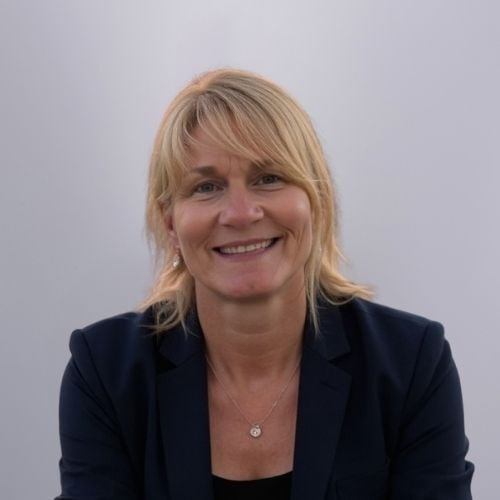
Rebecca Cant Profile Photo

Day 1 Trainer - Rebecca Cant

Former International Hostage & Crisis Negotiator

Becks is the former national police training lead for hostage and crisis negotiation. She has provided world-class training to teams globally, preparing them to navigate some of the most demanding and high-stake situations. She has written policy and guidance at national level, drawing on her extensive operational experience in saving lives.

Becks has expertise in hostage, crisis, kidnap and extortion, command and control, strategic negotiation and business change. With over 30 years’ experience of high threat environments, delivering training and consultancy to industry professionals, in negotiation mastery, risk management, crisis and project de-briefing, first responder policy and advice, travel risk management, Martyn’s law awareness programmes, and female safety training. She has trained the FBI, Special Forces, and several overseas policing units in Asia, Europe, and America. 

With a Master’s degree in Counter Terrorism, she modernised UK negotiation using research-based academia.

Chula Rupasinha Profile Photo

Days 1 & 2 Trainer - Chula Rupasinha

Former Senior Crisis Negotiator & Mediator

Chula served as a senior crisis negotiator for the Metropolitan Police for 32 years. He undertook assignments across criminal and international terrorism incidents both in the UK and internationally, and negotiated the integration of military security support for the London 2012 Olympic Games — one of the most complex security negotiations in UK peacetime history.

Since leaving the force, Chula has become a full time mediator, trainer and coach. His ability to translate front line crisis experience into commercial and organisational applications is genuinely rare.

 

Katey Martin Profile Photo

Day 1 Trainer - Katey Martin

Former Director of UK Counter-Terrorism Negotiation Training

Katey served for 30 years in law enforcement, beginning her career on the front line in Brixton in the 1990s. After a decade in operational policing she specialised in public order, before becoming a full-time negotiator for ten years. Trained by both the FBI and Scotland Yard, she progressed to national and international leadership roles in hostage, crisis and counter terrorism negotiation, and was a founding member of the UK Counter Terrorism Negotiation Team, established in response to the Paris terror attacks.

As national lead for Counter Terrorism Negotiation training, Katey delivered programmes on behalf of the UK Government to law enforcement agencies around the world. She represented the UK in counter terrorism negotiation across Europe for six years, during which time she co-authored the EU's first official guidance on Counter Terrorism Negotiation and delivered the first EU Counter Terrorism Negotiation courses. Today Katey specialises in translating the principles of hostage and crisis negotiation into practical learning for professional audiences, focusing on leadership, negotiation, communication and conflict resolution.

Tracey Fox Profile Photo

Day 2 Trainer - Tracey Fox

Mediator, Trainer & Executive Coach 

Tracey combines a background in occupational and organisational psychology with front line practice as a full time mediator. She specialises in conflict management, difficult conversations and negotiation skills for corporate teams, and is a qualified Executive Coach at Henley Business School. She has mediated disputes across employment, construction and clinical negligence fields.

Lisa Drake Profile Photo

Day 2 Trainer - Lisa Drake

With over 25 years as a commercial mediator, Lisa brings a distinctive combination of commercial acumen, strategic insight and human centred skill to her work. Her practice spans complex commercial disputes, employment and workplace conflicts, and senior leadership and board level relationship breakdowns. She is known for building rapport quickly, creating environments where difficult conversations become possible, and providing the kind of constructive challenge that moves situations forward.

Beyond her mediation practice, Lisa is a Lead Trainer, Coach and Assessor on CEDR's Commercial Mediator Skills Training, and coaches individuals and leadership teams through conflict, change and complex decision making. She is a registered coach at Henley Management College and a Fellow of the Civil Mediation Council.

Gillian Caroe Profile Photo

Day 2 Trainer - Gillian Caroe

Gillian has been a practising mediator since 2004 and joined CEDR's panel of lead mediators in 2006. Before moving into mediation full time, she spent years in international business with Mars Inc, working across UK, European and global roles — giving her a grounded understanding of commercial pressures and the people at their centre.

She has been involved in hundreds of successful mediations across a wide range of sectors including commercial contracts, employment, healthcare, education and the public sector, and has been instructed by multiple leading law firms including Eversheds Sutherland and DAC Beachcroft. Alongside her mediation practice, she is a Lead Trainer on CEDR's flagship Mediator Skills Training programme, delivering it across the UK and internationally.
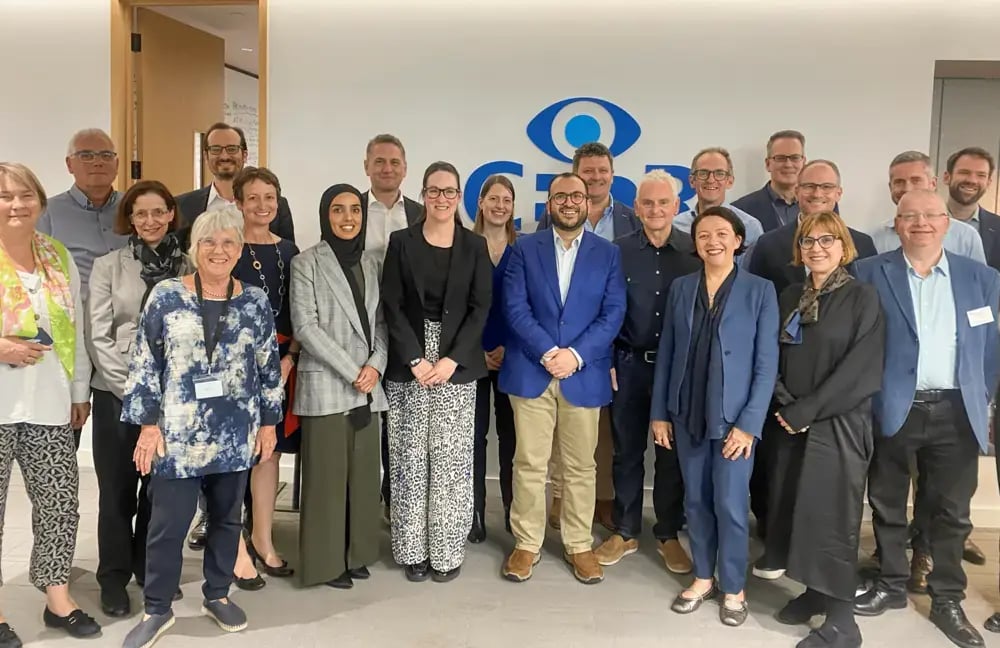
 

London MST June 2024

For Professionals Who Negotiator For Real

CEDR's Advanced Negotiation Skills Training is open to all professionals, from all backgrounds and sectors. There are no prerequisites, no experience requirements and no industry restrictions. 


The programme is particularly valuable for:
  • Senior leaders and executives who need to influence boards, stakeholders and counterparts without relying on positional authority

  • Lawyers and in-house counsel who need to deliver difficult advice and challenge clients without losing their confidence

  • Procurement and commercial managers navigating complex, high stakes supplier and partner relationships

  • HR, employee relations and people professionals handling sensitive, escalated and high pressure situations

  • Consultants and advisers who must build trust rapidly with new clients and challenge them constructively

  • Sales and business development leaders whose results depend on influence, rapport and framing at the most senior level

  • Anyone who regularly needs to deliver difficult messages, challenge stakeholders and bring people with them without damaging relationships

Frequently Asked Questions

Who is this programme designed for?

The programme is open to all professionals, from all sectors and backgrounds. There are no industry restrictions and no experience requirements. It is particularly well suited to senior leaders, lawyers and legal professionals, procurement and commercial managers, HR and employee relations professionals, consultants and advisers, and sales leaders — essentially anyone who regularly needs to influence, negotiate or have difficult conversations where the stakes are high and the outcome matters. 

Do I need any prior negotiation training or experience?

No. The programme is designed to work for participants who have never attended formal negotiation training as well as those who have. If you have prior training, you will find that the hostage and crisis negotiation perspective reframes and deepens what you already know in ways that are genuinely surprising. If you have not, the programme gives you a complete and immediately applicable framework from the ground up. 

What makes this different from other negotiation training?

It is the only programme that draws simultaneously on two disciplines where the stakes could not be higher and formal authority does not exist: hostage and crisis negotiation and high value commercial mediation. No other training provider has practitioners from both worlds on its faculty, and no other open course was designed from the outset to put these two disciplines in direct conversation with each other. 

Why bring together hostage negotiation and commercial mediation?

Because both worlds have spent decades solving exactly the problems professionals face every day — how to influence without authority, how to build trust under pressure, how to deliver messages people do not want to hear, how to challenge without damaging the relationship. The hostage negotiator and the commercial mediator operate without formal power over anyone in the room. Their entire capability rests on skill, not position. Bringing these two disciplines together creates a depth and range of insight that neither provides alone, and that cross-pollination is where the most valuable learning happens. 

How experiential is it — what does a typical day actually involve?

Very. This is not a seminar and it is not primarily a classroom experience. Both days are built around progressively challenging role play exercises, live coaching from trainers, structured debriefs and real pressure. You will practise each skill shortly after it is introduced, receive direct feedback, and practise again. Day 1 builds to a fully immersive, team based hostage negotiation simulation. Day 2 builds to a live, coached full negotiation with unexpected developments introduced to test adaptability. You will be pushed outside your comfort zone. That is deliberate — it is where real capability is built. 

Is the programme available as a bespoke in-house option?

Yes. The programme can be tailored and delivered for your organisation, with scenarios and role play exercises designed around your specific context, sector and the challenges your people actually face. In-house delivery is available for teams of eight or more. Please contact CEDR Training directly to discuss your requirements. 

What will I be able to do differently after completing the programme?

You will leave with practical, immediately deployable skills across four areas: influencing and persuading people who have no obligation to agree with you; building trust quickly and maintaining it when things get difficult; delivering bad news, hard truths and difficult challenges in ways that are heard rather than rejected; and challenging clients, colleagues and counterparts firmly without the relationship paying the price. You will also leave with a personal action plan, so the transfer from programme to practice is concrete and immediate rather than aspirational.

Where does the programme take place and what is included in the fee?

The programme is delivered in person in London. The fee of £3,150 plus VAT per person includes all programme materials, coaching and facilitation across both days. Accommodation and travel are not included. If you are travelling from outside London and would like recommendations on nearby hotels, our team is happy to assist. 

Can my organisation book multiple places?

Yes, and we would encourage it. Attending as a team significantly amplifies the benefit — participants return to the same environment, speaking the same language and able to practise and reinforce the skills together. Please contact CEDR Training to discuss group bookings and any available options for organisations booking three or more places.

Do I pay VAT if I'm an international participant?

Do I need to pay VAT on my course booking?

The VAT treatment of your booking depends on a number of factors, including whether you are attending on behalf of a business or as an individual, the type of course selected and where the course is delivered.

Business attendees

If you are attending as part of your current work, profession or business activities, please select the business attendee option when booking.

You may be asked to provide basic business information, such as your organisation's name and business contact details, so that we can apply the correct VAT treatment to your booking.

Individual attendees

If you are attending for personal interest, personal development or future employment opportunities, please select the individual attendee option when booking. For most courses supplied by CEDR Services Ltd, UK VAT will apply to individual attendees.

How do I ensure my booking reflects the correct VAT treatment?

Please ensure that all information provided during the booking process is accurate and complete, including your country, organisation details (where applicable) and attendee status.

Where additional review is required, your booking request may be referred to our team before it is finalised. We will contact you if we need any further information.

Will I receive a VAT invoice?

Yes. All participants will receive an invoice. The invoice will reflect the VAT treatment applicable to your booking.

Need help?

If you are unsure which option applies to you, please contact us at training@cedr.com before completing your booking and a member of the team will be happy to assist.