

Centre for Effective Dispute Resolution
The Centre for Effective Dispute Resolution (CEDR) specialises in mediation and alternative dispute resolution (ADR). We are an independent non-profit organisation and a registered charity.
CEDR's Vision
Better conflicts result in better outcomes leading to a better world.


01
Consumer Disputes
We provide independent alternative dispute resolution for consumers when they experience problems with a company and have exhausted their complaints procedure.
- Evidence is weighed up by someone who is independent and impartial to CEDR and the company you have a dispute with.
- If you have an unresolved complaint with a company that is covered by one of our schemes, we may be able to help you.
- Industries we cover include flights (aviation), telecommunications (CISAS) and post (POSTRS).
02
Commercial Mediation
CEDR specialises in the resolution of commercial disputes and deadlocked negotiations.
- Mediation is a flexible process conducted confidentially in which trained neutral mediators assist people and/or organisations to work towards a negotiated agreement of a dispute.
- We have experience across all sectors and with all types of conflicts, from small claims to disputes valued in the billions.
- Mediation can be a far more effective – and a much cheaper – way of resolving issues.
03
Training & Consulting
CEDR is the leading UK and European provider of conflict, negotiation and mediation training.
- We offer a range of mediator skills, advocacy and awareness training programmes in addition to bespoke packages for organisations of all sizes.
- We also provide consultancy services to assist with organisational change.
- All are led by expert practitioners and can be tailored to sectors and individual clients.
04
CEDR Foundation
The CEDR Foundation supports projects enabling the next generation of professional mediators and those with mediation skills.
- Foundation activities complement our wider work and seek to bring about public benefit by addressing key areas of ADR development and reform.

“It was a great and intense course, I highly recommend it to anybody. It will make you a better person, no less than that.”
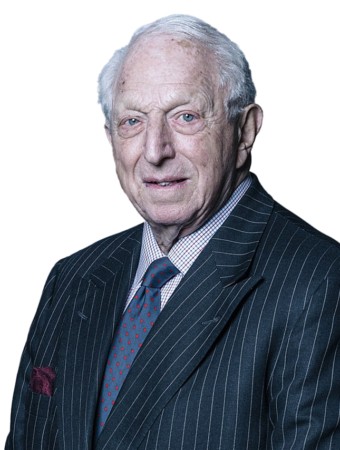
"It is fortunate that CEDR has created a unit to undertake its charitable Foundation activities, to conduct this type of initiative as a service to the public, and CEDR is to be congratulated on a job well done."

"The reason I chose the MST with CEDR is because I was told that it’s the best course, now I know why. The level of the coaches and the trainers, the level of the reviewers, the content, the detail, the quality. But I think above all else, it’s the passion that everybody puts into the course, and that’s why I chose it"
Sign up to our monthly newsletter
Sign up to to our regular email bulletins and keep up to date with the latest developments in mediation and ADR practice, thought leadership and CEDR events and training sessions.